
 English


Locking Compression Plates (LCP) vs Dynamic Compression Plates (DCP): Combi-Hole Biomechanics & Angular Stability
Clinical and biomechanical analysis of figure-of-eight combi-hole architecture, internal fixator periosteal blood supply preservation, and locked vs cortical lag screw sequencing.
Reviewed against ASTM F136 / ISO 5832-3 Ti-6Al-4V ELI titanium and ISO 5832-1 316LVM implant metallurgy, locking thread geometry, and AO trauma standards.
On this page (3)
Modern osteosynthesis relies on the biomechanical distinction between friction-based absolute stability (Dynamic Compression Plates, DCP/LC-DCP) and fixed-angle internal splint fixation (Locking Compression Plates, LCP). Understanding combi-hole thread geometry and screw-plate interface mechanics is essential for trauma surgeons and hospital implant procurement teams.
1. Figure-of-Eight Combi-Hole Architecture
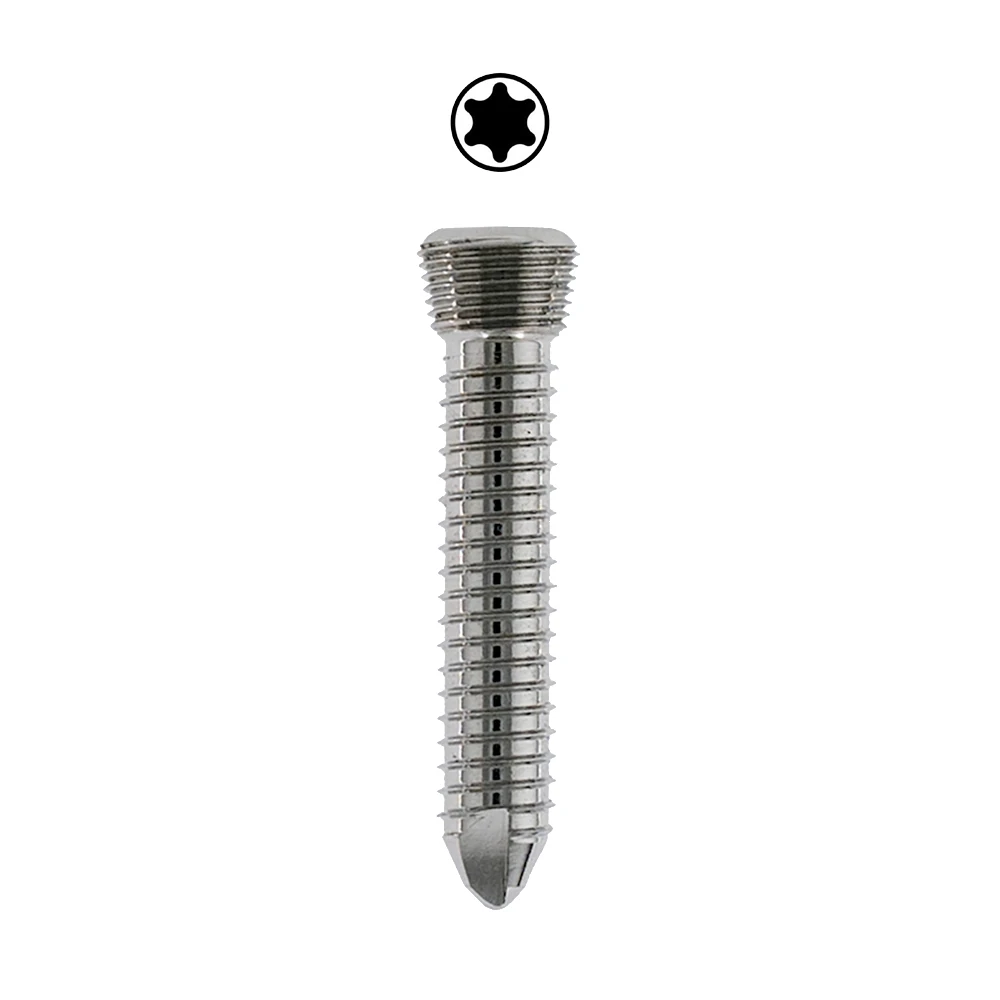
The OrthoValley LCP combi-hole integrates two distinct functional geometries within a single figure-of-eight aperture: a smooth Dynamic Compression Unit (DCU) inclined plane for eccentric load-screw axial compression, and a conical double-lead threaded locking half that mates with the locking screw head to form a fixed-angle construct.
| Biomechanical Parameter | Dynamic Compression Plate (LC-DCP) | Locking Compression Plate (LCP) |
|---|---|---|
| Load Transfer Mechanism | Plate-to-bone friction via screw torque | Fixed-angle internal fixator (single-beam construct) |
| Periosteal Perfusion | Undercut reliefs reduce contact by ~50% | Zero mandatory periosteal compression (biological plating) |
| Osteoporotic Bone Purchase | Prone to single-screw toggle & pullout | High pullout resistance; divergent/convergent locked stability |
| Primary Fracture Indication | Simple diaphyseal fractures requiring primary healing | Comminuted metaphyseal, peri-articular, and osteoporotic fractures |
2. Conical Thread Engagement & Cold-Welding Prevention
In Ti-6Al-4V ELI locking systems, over-torquing conical screw heads can induce galling or cold-welding. OrthoValley LCP screws utilize precision CNC-whirled 20° conical double-lead threads paired with calibrated 1.5 Nm (3.5 mm system) and 4.0 Nm (5.0 mm system) torque-limiting ratcheting drivers.
3. Hybrid Fixation Sequencing Protocol in Operating Theatres
When combining cortical lag compression and locked fixation in the same plate segment, standard AO biomechanical law dictates that non-locking cortical screws must be tightened first to draw the bone fragment to the plate before inserting fixed-angle locking screws.
Related Categories & Sourcing Hubs
Dr. Tariq Mahmood
Implant Grade Titanium & ISO 5832-3 Metallurgy Advisor
Reviewed against ASTM F136 / ISO 5832-3 Ti-6Al-4V ELI titanium and ISO 5832-1 316LVM implant metallurgy, locking thread geometry, and AO trauma standards.